
The Royal Society of Edinburgh (RSE) formalizes a historic partnership with the Malawian Academy of Sciences.
A landmark agreement was finalized in February 2026, establishing a framework for enhanced collaboration between Scottish and Malawian researchers.
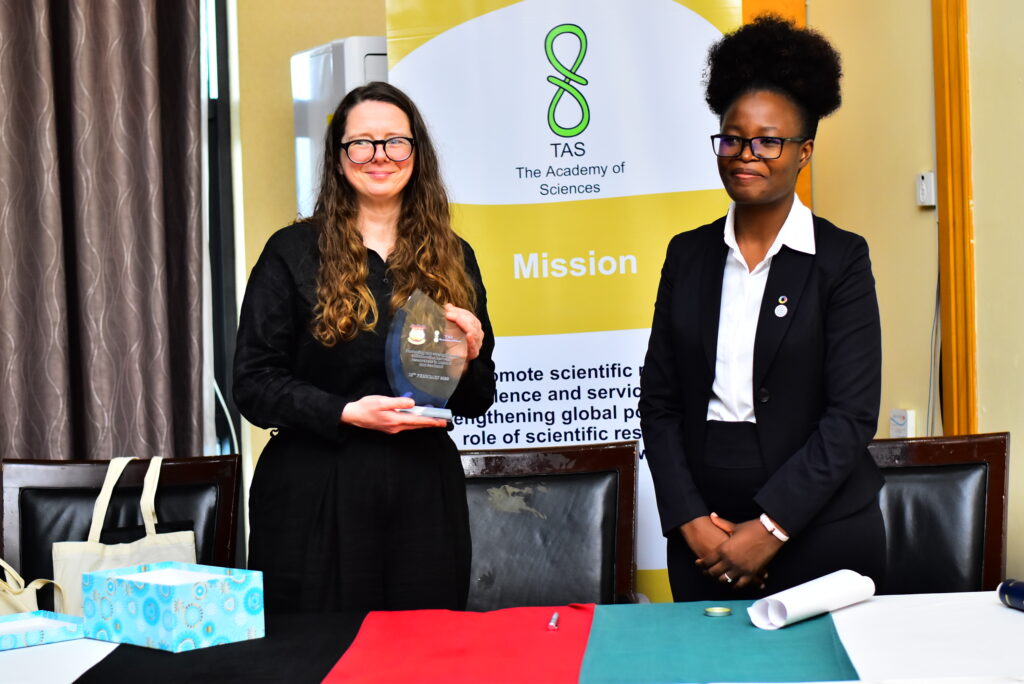
In a ceremony held in Lilongwe on Wednesday, 18 February, the Royal Society of Edinburgh (RSE) and The Academy of Sciences, Malawi (TAS) formalized their partnership. The agreement was signed by Dr. Christine Whyte, representing the RSE’s Africa Working Group, and Dr. Elizabeth Bandason, General Secretary of TAS.
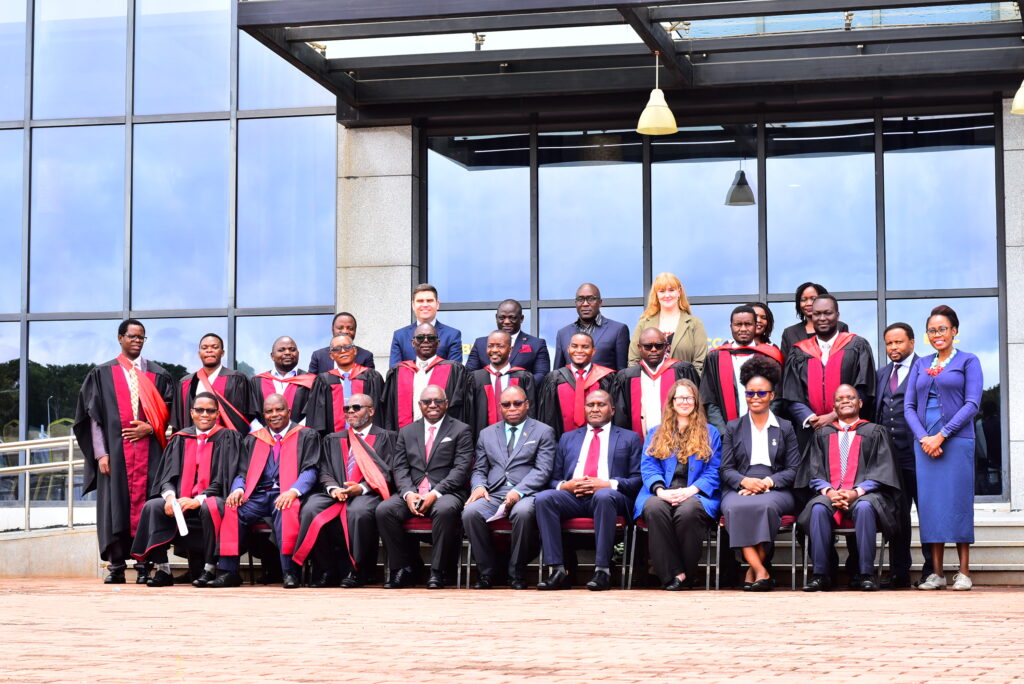
The signing ceremony coincided with a historic milestone: the first inauguration of Fellows to The Academy of Sciences, Malawi (TAS). Representing their respective institutions, Dr. Elizabeth Bandason, General Secretary and founding Fellow of TAS, and Dr. Christine Whyte, Chair of the RSE Africa Working Group, formalized the agreement.
This partnership marks a “first” for both organizations; it is the first international agreement for TAS since its 2021 founding, and the first-ever agreement between the RSE and an African nation.
During the event in Lilongwe, Dr. Whyte highlighted the evolution of the relationship into a modern collaboration. She emphasized that global challenges in health, climate, and education cannot be solved in isolation. “When researchers in Scotland and Malawi work together,” Dr. Whyte noted, “they bring diverse perspectives to the same questions, creating knowledge that is richer, more relevant, and more robust.” She added that the RSE enters this partnership with humility and a genuine commitment to nurturing long-term trust.
Professor James Njuguna, RSE Vice President (International), shared this sentiment, noting his pride in the “enduring relationship between Scotland and Malawi” and the strengthened bond this agreement represents.
“This landmark partnership is the first between the Royal Society of Edinburgh and an African academy—a milestone truly worth celebrating. It is particularly meaningful to reach this achievement with Malawi, given the profound historical ties our two nations share. With this framework in place, I look forward to watching our collaboration flourish. I am confident it will inspire academics in both countries to pursue impactful research that delivers tangible benefits to our communities.”
The agreement establishes a robust research alliance between Malawi and Scotland, designed to spark joint workshops, enduring collaborative projects, and active involvement in global research initiatives. Furthermore, both academies have committed to hosting events that showcase the work of their Fellows and researchers, ensuring their findings are effectively disseminated and applied to solve real-world problems on a global scale.
“This landmark partnership is the first between the Royal Society of Edinburgh and an African academy—a milestone truly worth celebrating. It is particularly meaningful to reach this achievement with Malawi, given the profound historical ties our two nations share. With this framework in place, I look forward to watching our collaboration flourish. I am confident it will inspire academics in both countries to pursue impactful research that delivers tangible benefits to our communities.”
The agreement establishes a robust research alliance between Malawi and Scotland, designed to spark joint workshops, enduring collaborative projects, and active involvement in global research initiatives. Furthermore, both academies have committed to hosting events that showcase the work of their Fellows and researchers, ensuring their findings are effectively disseminated and applied to solve real-world problems on a global scale.

Dr. Kondwani Katundu, representing the Academy of Sciences, Malawi, expressed great pride in the new agreement: “This Memorandum of Understanding marks a significant milestone for Malawi’s scientific community. By bridging our deep historical ties with Scotland and a forward-looking commitment to innovation, we are transforming a shared past into a dynamic future for research.
“We are especially heartened by the focus on community impact. This partnership provides a robust platform for scientists in both nations to co-create solutions to our most pressing societal challenges. We look forward to seeing this alliance strengthen research capacity and ensure that science delivers meaningful benefits to the people of both Malawi and Scotland.”
According to the Scotland-Malawi Partnership, some 45 per cent of Scots personally know someone with a connection to Malawi, as it remains one of Scotland’s strongest bilateral links.